You’re Lost-Don’t Panic

059

Getting lost is a disconcerting sensation. For many goal-oriented people, being lost means something, somewhere broken down along the lines of their motto, “I cannot cope with the worst case scenario, so, I will over-plan to be prepared if the worst happens.” While making a plan, then working that plan is a valid approach to achieving success, the best of us can get lost. Coping with the reality might be easier if we practice meditation because the feeling of being lost in our own minds and bodies but not experiencing panic is possible. Then it’s a matter of transferring that lesson to real life situations.

Writer_Wellness_Cover(3)

The key is surrender. The first few minutes of sitting in meditation is normally a challenge almost every time we go to the cushion. That’s because we are so used to holding on to things. It’s a natural sensation to want to hold on. In my opinion, everyone is born with the desire to hold on because our bodies are constantly pulled on by gravity. It makes sense to me to hold on to things, people, and myself simply because it’s how we function in relation to the earth’s pull on our beings. Surrendering to this awareness of being held onto by gravity is the first step when sitting in meditation.

Up to the first ten minutes of meditation practice is basically about noticing gravity’s hold over our bodies, organs, and senses. Simply notice, then intentionally start at the source of the pull and work upwards through the body to relax or let go of the worry about being pulled down all the time. It’s very normal to feel everything settling downward (some people note this as being “grounded”), and it’s at this point of everything being settled down we try to surrender it all to a feeling of weightlessness. We let go of the worry. Surrender to gravity’s pull then allows the anxiety about whether or not it’s working to surface and face it. At this point, it’s possible to get lost in the lightness of being and just breathe until the session is ended.

It’s surrendering to the power of being lost and letting go of expectations that we practice on the cushion then try to recall when we get lost on the highway or in a tricky plot pattern we’re writing. In meditation we keep breathing and follow the breath to the end. In real life, we should apply the breath to keep us calm and working toward correcting the wrong turn or the wrong speech or the wrong choice. Everyone gets lost. It’s easier for some than others to deal with being off-track. A few moments of being lost in your own mind every day and surfacing to a better place, in the end, is one possible way to learn how to deal with the real world situation of losing your way no matter how much you plan in advance.

087

All the outlines, maps, and global positioning devices in the world cannot teach us how to cope. Those are tools for dealing with and correcting the problem. Applying lessons learned on the meditation cushion to daily realities is one method of coping with being lost along the journey. It happens to everyone occasionally. For those goal-oriented folks like me, the key is adding “get lost” to the plan.

“Be well, write well.”

~Joy
Easy Does It Pose in Hatha Yoga

In yoga, life is considered a series of “dukkha” or sufferings one after the other, day after day. The lessons of yoga are principally about teaching us to cope with suffering through relaxation or “sukha”. This is the art of relaxing and to yoga this means being comfortable and at ease. It means stillness (sukha) in the body and mind purposely practiced to counteract the feelings of stress (dukkha.)

DSCN3145

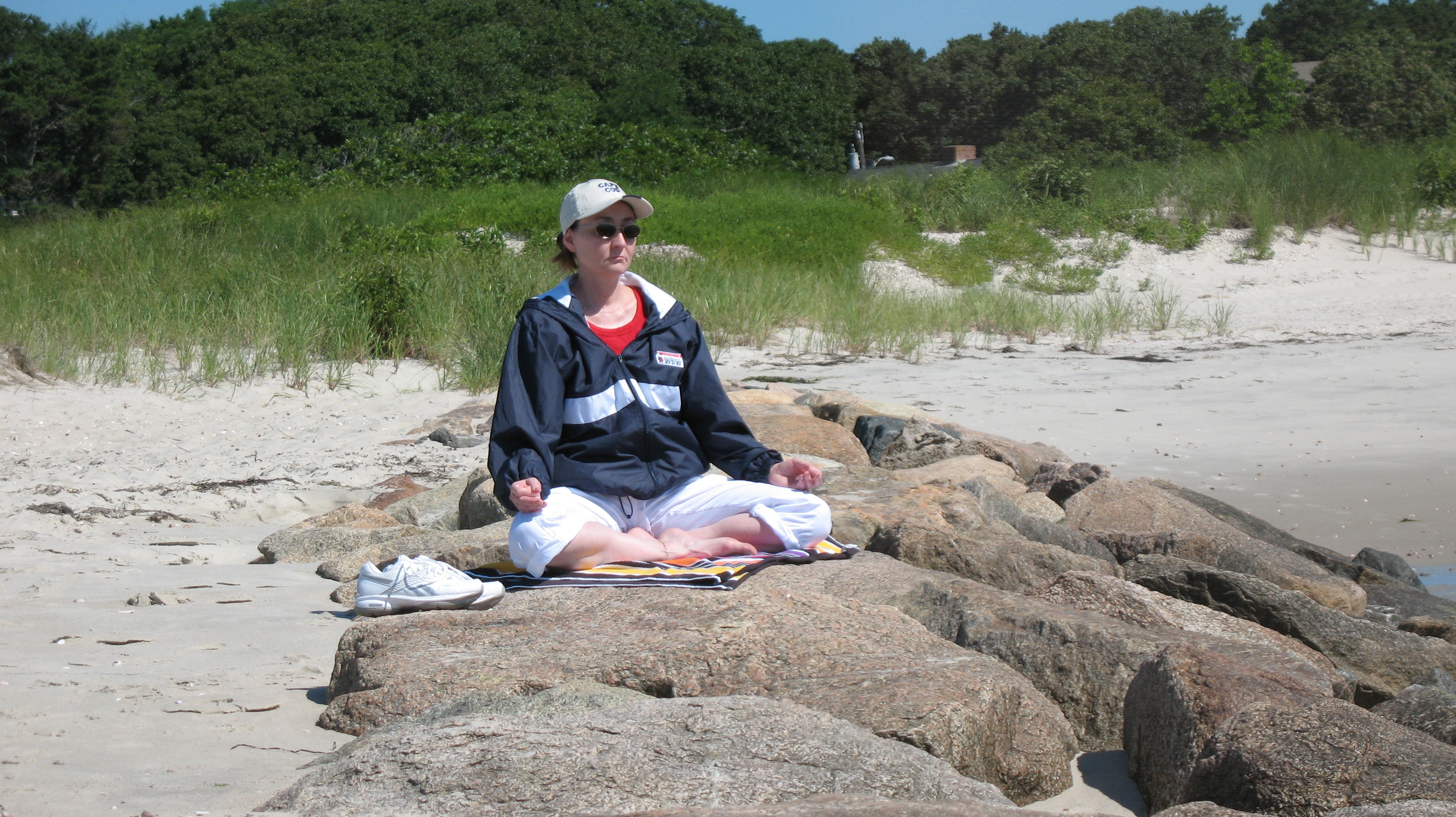
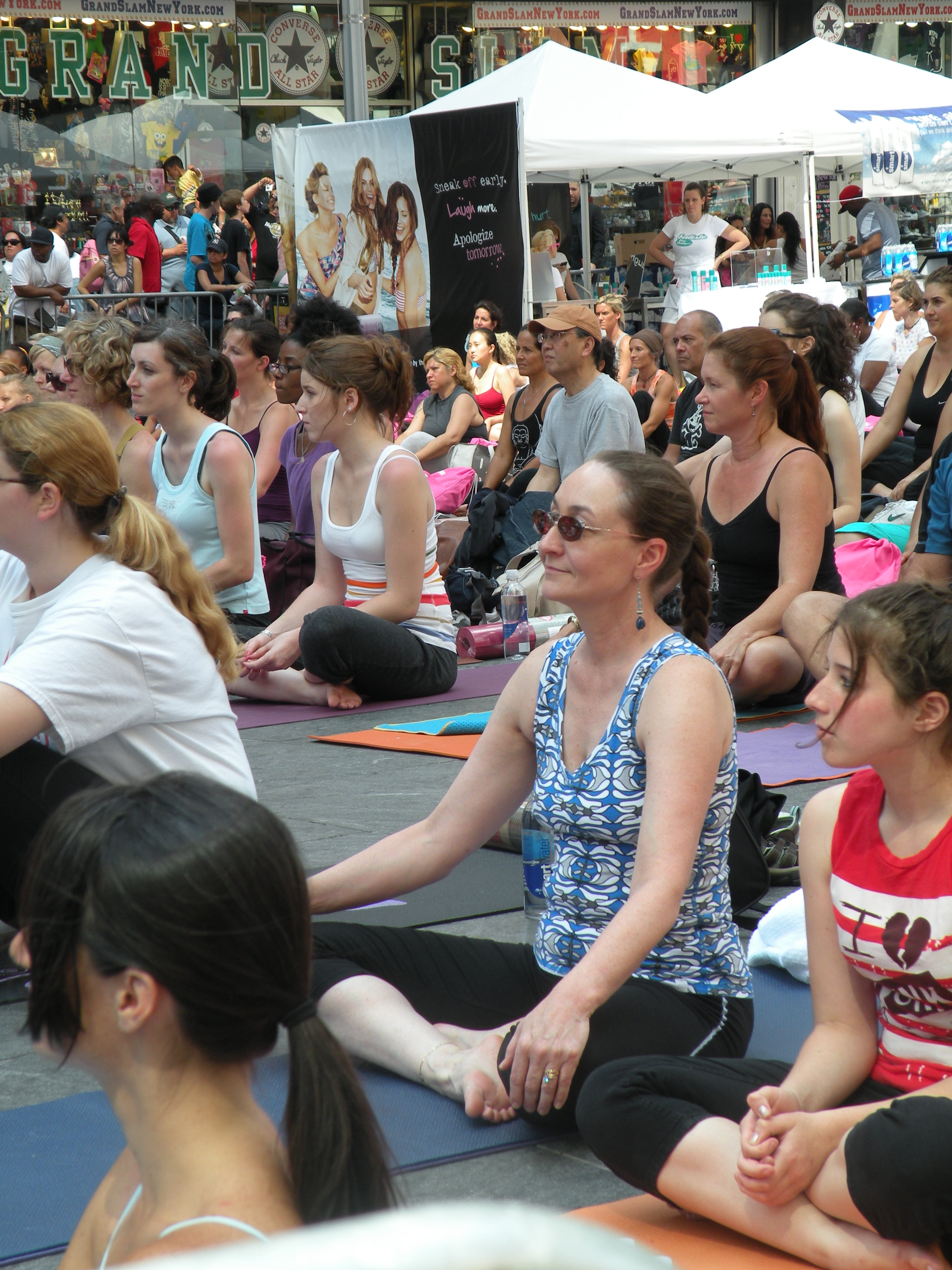
The “easy pose” is taught as a physical position to take when trying to relax. But for some people, the “easy pose” is anything but easy. So, why is it called “easy”? The “easy” translation simply means being the opposite of uneasy or busy and stressed. Although the specific sitting position is known as the “easy pose” is traditional, the mere act of sitting or semi-reclining and being motionless can be considered an easy pose. After all, not everyone can sit on the floor with their legs crossed at the ankles for an extended period of time.

An “easy pose” is one that allows us to be at ease with ourselves without the urge to fall completely asleep. Most of us are conditioned to begin snoring within a few minutes if we find ourselves lying flat on our backs. Happens all the time in yoga. Corpse pose at the end of class is regularly mistaken by some exhausted individual as nap time, and the rest of us are serenaded by the heavy, unburdened breath of someone who has fallen asleep on the mat. That’s okay, but as I’ve said before, sleep is not meditation. Sleep is sleep and meditation is an easy, comfortable state of relaxed alertness.

In meditation we are without the normal business of our bodies and minds (thoughts, movements, sounds.) Instead, we are physically still. The only movement is what’s necessary to breathe. And our thoughts are fewer and slower. Thoughts are normal but they bring with them varying degrees of stress, so during meditation the fewer the better. It requires a low level of consciousness or awareness to “quiet the mind” as desired by meditation. The lack of thoughts equals fewer opportunities to be stressed by thinking which equates to feeling at ease—without stress. An easy pose is one that is comfortable enough to bring on the sensation of ease without allowing us to fall asleep.

IMG_1504

Sitting cross-legged on the floor, a stack of blankets or a meditation cushion IS a comfortable pose for some. Others may need to sit in a chair with feet flat on the floor or lie back on a stack of pillows or a bolster to keep the body from lying completely flat. As long as we are physically at ease, our breath and thoughts will eventually join in and calm down. This is “sukha” or being without the suffering implied by the stress or “dukkha” of physical movement and mental stimulation.

The honest challenge is developing the stamina to remain in this position of ease for a particular length of time. Practice, practice, practice and the body will gradually remember its state of comfort and be more cooperative when asked to be still. Remember our bodies and minds are very practiced at zooming all the time. The opposite is challenging (dukkha) but rewarding (sukha.) This is balance.

What is your “easy pose”?

joy held yoga book photo's 040

Photo by Jody Purkey, 2003

“Be well, write well.”

~Joy