GUEST POST: EXPLORING THE STORY THAT CAME BEFORE THE STORY BY LYNN SLAUGHTER
Missing Mom by Lynn Slaughter
Saturday 2 August 2025
I’ve long been fascinated by real-life mysteries of missing persons, people who suddenly disappeared from their loved ones’ lives. So many questions, and often, so few answers. Were they victims of foul play? Kidnapped? Running from something? Running toward something that they found more appealing than their current lives? So many possibilities, and for loved ones left behind, so much grief and uncertainty.
Given my interest in missing persons’ cases, I guess it’s not surprising that I decided to explore what happens to someone left behind. Thus was born the premise for my latest novel, MISSING MOM, in which Noelle, a seventeen-year-old, is distraught over her mother’s sudden disappearance. Despite the circumstantial evidence, she doesn’t believe that her mother would ever have committed suicide and is determined to unravel the mystery of what happened to her mom.
As writers, we often talk about the importance of digging into the backstories of our characters to understand their choices and reactions. Why, for example, is Noelle so sure her mother did not commit suicide? The answer lies in her unusually close relationship to her mother who is such a great listener and so supportive that even Noelle’s friends flock to her mom for advice and counsel. On the day she went missing, Noelle’s mother had made plans to go out with her daughters to the mall for school shopping and pizza. The idea of her mom deciding, “Never mind shopping and pizza. Now I’m going to kill myself” makes absolutely no sense to Noelle.
So, what did happen to her mother? The mystery turns out to be related to the saga of a young woman nearly twenty years earlier who managed to escape from an abusive marriage. I found this young woman’s story riveting and decided to thread it throughout the novel.
After I’d written MISSING MOM, I discovered that what I had done is called a “time slip novel,” in which interconnected stories from different time periods appear. Although time slip novels are not uncommon, this marked the first time I’d ever attempted one, and I found it exciting to try something that was new for me as a writer.
All in all, I loved exploring the story that came before the story I set out to tell. Sometimes our curiosity takes us into new and unexpected places, which makes writing and reading especially pleasurable.
BIO:
Lynn Slaughter is addicted to the arts, chocolate, and her husband’s cooking. After a long career as a professional dancer and dance educator, she returned to school to earn her MFA in Writing Popular Fiction from Seton Hill University. Her six published novels have received numerous accolades, including a Silver Falchion Award, an Agatha nomination, an Imadjinn Award, and a Moonbeam Silver Medal. Midwest Book Review called her most recent work, Missing Mom, a “remarkable book” that “invites readers to immerse themselves in a narrative that beautifully captures the essence of struggle and triumph.”
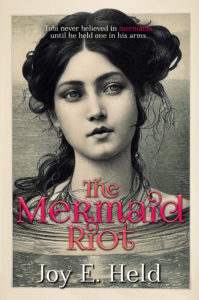
The Mermaid Riot by Joy E. Held Click on the image to purchase.My WriteDay Subscription Box
This article may contain affiliate links which may result in the author receiving a commission when readers purchase items through the links. Thank you for your support.
3 Errors That Led to My Small Press Contract
Jean Burgess, Ph.D.
If you’re a “full steam ahead” type, who is too impatient to learn from your mistakes, then stop reading now. However, if you are willing to learn how, as a novice fiction writer, I made a few major errors and still landed a contract with a small press for my debut fiction, read on.
As writers, we tend to get so excited when we finish our manuscript that we just can’t wait to push it out into the world. Some writers want to skimp on steps like beta readers or competent development editing. Some are tempted by visions of dollar signs, then movie deals, then television series, then world domination…(See how quickly things can spin out of control?) And sadly, some have lost their grounding and forgotten why they were drawn to writing in the first place.
I can point out these flaws because I’ve been there. Let’s dive in and see what can be learned from these errors.
Error #1: Pitching to literary agents before the manuscript is ready
Yep, that was me. The book was completed. Several beta readers offered input and I made a few edits based on their feedback. I thought I’d caught all the grammar goofs and typos. I decided I was ready to secure a literary agent. So, I queried and queried and queried. I received plenty of “Thanks, but no thanks” responses.
I also pitched at writing conferences. That was a better experience because, after submitting my three chapters or fifty pages, at least I received a few “Thanks but no thanks and here are two reasons why… .”
With something to work with, I was able to make revisions…badly needed revisions.
Lesson learned: The feedback I received from the literary agents was invaluable for me because it pointed to developmental issues. It caused me to ask: How do I fix those issues? As a novice fiction writer, I was able to analyze my skill weaknesses. I took workshops and classes to strengthen the holes. The biggest lesson, however, was I needed to be prepared and open to revising (and revising and revising) my manuscript. I learned that hiring a development editor BEFORE copy editing is an important step.
Error #2: Being uneducated about the industry
Guilty as charged. Looking back on my own journey, I now ask myself, “What was I doing querying agents when I didn’t understand a thing about the author-agent relationship?”
What did I want from a literary agent? Did I even understand their function in the industry and what they do for authors? And what about self-publishing vs traditional publishing? What was that hybrid publishing I kept hearing about? How can I avoid scams? Yikes! I realized I needed to get myself educated.
Lesson learned: While there are a variety of paths to getting these questions answered, I chose to join several professional writers’ organizations. These offer seminars and resources that help me immeasurably, plus I appreciate the networking aspect of the groups. I also encourage others to read reputable blogs, join podcasts, and find other resources about the industry. Jane Friedman’s blog, Writer’s Digest, Authors Publish online magazine, and this one are just a few examples. Secure a complete understanding of all the various publishing approaches — self-publishing vs traditional publishing vs small press publishing – before deciding which is right for you and your book.
Error #3: Not having a clear writer’s purpose
I do believe that not being clear about my writer’s purpose when I took the next step in promoting my book, whether querying a lit agent or even chatting about it to readers, was a huge obstacle. It interfered with my messaging and my confidence.
When I say, “writer’s purpose,” I’m not talking about my reason for writing this particular book, but rather for writing anything. What motivates one to write? And if your answer is “For the big bucks,” you might want to dig a bit deeper!
I found that I was flailing with connecting to my purpose, which caused me to be unfocused when I spoke about my debut novel.
Lesson learned: Once I permitted myself to indulge in uninterrupted quiet reflection on the question “What motivates me to write? What is my purpose?”, I finally found clarity. My writing purpose applies to both my nonfiction and fiction works:
I write to encourage others and to start conversations.
Understanding and connecting with this purpose has helped me to define my goals and decisions moving forward. I pivoted my thinking and decided to put all my efforts into pursuing small presses for publication of my debut novel set in the late 1970s around themes of emerging feminism, social injustice, and retro music. As a result, at the next regional writers’ conference I attended, I skipped pitching to the literary agents on the roster and focused on the small press publishers instead.
In the past, regardless of whom I pitched to, I must admit I’d be anxious about the whole process. But once I was grounded in my writer’s purpose, I found enjoyed pitching. I was relaxed as I chatted about my book and its marketing possibilities.
The best news of all is that my debut novel, That Summer She Found Her Voice, was picked up by Apprentice House Press and published in April of 2024. Based on my journey of being open to revisions, learning all I could about the industry, and taking time out to define my personal writing purpose, I encourage you to apply these vital steps toward securing your own publishing success story. Best wishes.
Jean Burgess, Ph.D. is a writer, editor, and playwright with a background in theatre and education. She holds a M.A. in Theatre from Northwestern University, and a Ph.D. in Educational Theatre from New York University. Her debut novel, That Summer She Found Her Voice: A Retro Novel, was published by Apprentice House Press in April 2024 and is available on Amazon and other online outlets. Follow her publishing journey by signing up for her monthly newsletter at https://www.jeanburgessauthor.com.
NEXT LEVEL PLOTTING is the focus of the upcoming My WriteDay subscription box for July/August.
Get ready for the doors to open for new subscribers Monday, June 30. “Next Level Plotting” July/August My WriteDay subscription box will blow your mind with the fun, practical, and educational items inside.
Cart opens Monday. We have limited quantities so snap up a new subscription while you can.
Summer is great for all kinds of activities, but the writing shouldn’t be shoved aside. This box includes special items to keep you inspired, on track, and on task with the word count.
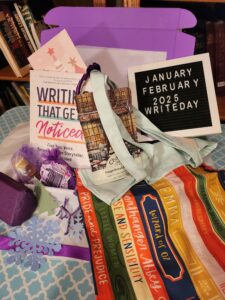
My WRITEDAY is a subscription box program that delivers curated products from authors, creators, and small businesses to writers and readers in the continental U.S. It’s unique in that many products are sourced from writers who are also crafters and artisans. Each box delivers a writing craft book and 3-7 items associated with the key concepts (journaling, fitness, relaxation, nutrition, and creative play) of Writer Wellness, my flagship program and book (Headline Books, Inc. 2020.)
We also offer one-time gift boxes for kids and teens!
Each box is inspired by literary themes, genres, and holidays. Every box includes access to My WRITEDAY Digital Magazine filled with writing and publishing tips, writer wellness ideas, fiction excerpts, poetry, special offers, social media options such as live virtual meetings, and more.
The idea behind My WRITEDAY is to help writers spend more time creating stories, engaging with like-minded book friends, and enjoying the juicy, creative life they deserve. From craft books to office supplies to fun, writing/reading inspired décor, subscribers ages 14 and up will discover an experience designed to offer a healthy plan for living their best writing life. The cost per box is $59.00 and includes freeshipping (in the continental U.S.). There are discounts available on the website. Please visit us!
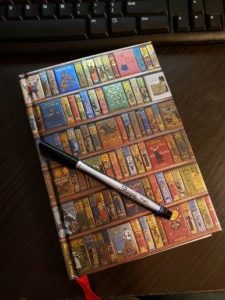
Journaling and writers share a long and important history. From the personal journals of Gustave Flaubert that read like a laundry list of how to view life to the Story Bibles many writers create to keep themselves organized throughout the writing process, writers have always had and always will have numerous reasons to keep a journal. A journal can serve writers of all genres in many different ways, chief among them as a place to collect and hash out story ideas.
It isn’t a waste of valuable writing time to scribble in a journal in advance of working on one’s novel. In the words of author James Brown:
What matters is how journaling can help the writer come up with ideas, kind of a warm-up to a bigger process. The next step is building on those ideas, discarding some and fleshing out others, developing characters and motives, and arranging the scenes in a logical, meaningful sequence with a firm sense of a beginning, middle, and end. Whether you write your thoughts down in a journal or try to store them all in your head, which I don’t recommend, story begins when you begin to dream and brainstorm about people and their problems. (Raab 6)
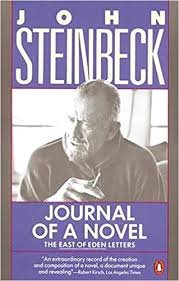
Then there is the fascinating practice of documenting not only one’s life, but the progress of a book. Two books by John Steinbeck that fundamentally changed the way I look at myself as a writer and a human include Journal of a Novel: The East of Eden Letters and Working Days: The Journals of The Grapes of Wrath. Reading these helped me understand how keeping a journal alongside writing a novel can serve several purposes.
One use for a journal is a place to cleanse the palate, so to speak, before turning to the blank page of the work in progress. Reading snippets about Steinbeck’s faithfully recorded personal life reinforced my feelings on using a journal as a “dumping ground” to clear a writer’s head prior to working on a current project. All too often personal issues can make their way into our creative work and many times that isn’t the appropriate venue for hashing out our problems.
Steinbeck wrote a page or two each morning about his life, thoughts, and sometimes current events in order to “warm-up his writing arm.” He also used the journal pages to organize his thoughts about what to write. For example, one day’s journal describes his plans for writing:
May 9, Wednesday: It is time I think for the book to pause for discussion. It has not done that for a long time. I think that is the way I will do it. That way-first a kind of possible analysis and then quick narrative right to the end, explain it first and then do it. (79)
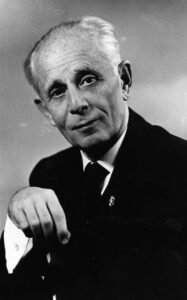
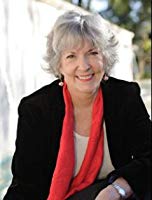
Steinbeck is just one example of a writer who uses journal writing to stay focused on the creative project at hand. Sue Grafton, prolific mystery author (“A” Is for Alibi) believes that the writing process is a constant back and forth between the right and left-brain hemispheres. She keeps a daily log of her writing progress and says:
This notebook (usually four times longer than the novel itself) is like a letter to myself, detailing every idea that occurs to me as I proceed. Some ideas I incorporate, some I modify, many I discard. The journal is a record of my imagination at work, from the first spark of inspiration to the final manuscript. (Raab 9)
Similar to Steinbeck, Grafton starts each writing day with logging the date into her journal followed by what’s going on in her life then a note about ideas she has for the book she’s writing. She ‘talks to herself’ about where the story could go and explores the writer’s question “What if?” In the privacy and safety of a “for my eyes only” journal, Grafton claims that this collection of meandering thoughts helps her jumpstart the creative juices and before she knows it, she’s writing new pages (Raab 11).
Sue Grafton
What about the time that journal writing “steals” away from the time you could be writing your novel? Expanding on what James Brown says above about “building on those ideas, discarding some and fleshing out others,” your journal is where you can learn about how a character develops in a novel because you have charted your own growth through journaling. Of course, the people in your novels are encapsulated versions, but as novelist and educator Katherine Tucker says of her journals, “I am convinced, though, that the writing of the pages taught me more than I will ever realize, that my years as a journal writer were essential to the work I am doing now, and to the work still to come” (Raab 42).
Journal writing satisfies so many needs of the writer, particularly the fiction author, by acting as a sort of playground for the practice of writing stories. Examining one’s own life is a direct conduit to having a rich, fruitful resource upon which to draw from when it comes time to create the villain, the sweetheart, the teacher, the heroine, the whatever because we have a written record of experience with that character in the pages of our journals. Journaling for writers is a safe place to practice, to record, to play “what if,” to examine, to describe, to report, to praise, to condemn, to lie, to tell the truth, to plan, and discover. The pages of a writer’s journal can serve as a handy resource when describing the realities in novels that entice readers to suspend their lives in favor of riding along with your characters.
The Massive List of Perks & Ideas to Journal About
Keeping a journal doesn’t have any requirements for time spent. In fact, writers can receive a massive number of advantages from regular or spontaneous journaling.
Journaling practice helps writers:
Acknowledge
Blog
Celebrate
Data collection
Develop voice
Documentation of process
Experiment, try new things out away from critical eyes
First drafts
Freedom from the inner critic
Freedom to think
Generate ideas
Healthy self-talk
Improve writing skills
Jumpstart thinking
Knowledge storage
Learn to pay attention
Mental and emotional cleansing
Motivational
Nurture and spark creativity
“Organize a chaotic life” V. Woolf
Organize thinking
Overcome writer’s block
“Parking spot for ideas or problems” D. Raab
Place to scribble
Place to doodle
Plan writing for the day
Quiet the inner critic
Re-examination place
Record activities/daily life/travel/conferences
Record keeping
Record observations on life/people/work/emotions
Safe place to vent/be stupid/self-indulgent
See things from another perspective
Self-knowledge
Self-empowering
Self-development
Solidify thoughts
Story/poem/article ideas
“The author’s other brain” D. Raab
Travel record
Understand
Validate purpose and direction
Write without boundaries
Word collection
Work out problems
X-ray examination, deep look
Yearnings clarified
Zone in on solutions
Can you think of anything to add?
How to Make Use of the Perks in Your Writing
At one time or another, I’ve used all of these perks from my journals in my professional life. As a college writing instructor, I found out quickly how important it is to document the who/what/when/where of things that happened in class. Teaching in higher education is quite a challenge these days, and it paid many times over to have kept a journal of what I planned to teach in class, what actually occurred in the class, and student behaviors (attendance, participation, etc.) After 14 years of tracking my English composition classes, I wrote a short story about an incident on a college campus in which I created my characters, descriptions, settings, plot entirely from my notes as a college educator.
I’ve also noticed my writing voice in nonfiction and fiction develop from how I “write to myself” in my journals. I experiment with form, shape, sentence structure, word choice, punctuation, and ideas in my journal and have seen those trials appear in my blogging and my fiction.
Art hasn’t ever been one of my strong points, but I’ve always had the urge to doodle and draw. My journals allow me to play around with forms and designs that then get transferred to my professional work. I was introduced to art journaling several years ago and loved the process of combining words with art. I took my love of scrapbooking and put it together with stories or journal entries and found a surprising amount of “artistic satisfaction.” When my nonfiction book Writer Wellness: A Writer’s Path to Health and Creativity was released in its second edition in 2011, I added a chapter about how to incorporate art journaling techniques to a regular journaling habit.
I keep a word journal filled with words I like the sound of, want to know the meaning of, or plan to use in a novel. When I read anything from the cereal box to fiction, I write a word or two in my word journal and refer to it when I want something fresh or appropriate for my writing.
If you’re already a fan or regular practitioner of journaling, you will understand when journal therapy teacher Kathleen Adams says,
There’s a friend at the end of your pen which you can use to help you solve personal or business problems, get to know all the different parts of yourself, explore your creativity, heal your relationships, develop your intuition…and much more.
The possibilities are endless as long as I continue to collect my thoughts, ideas, and random musings in a journal.
The many joys of keeping a journal for writers is a lengthy list. The three writers highlighted here (Steinbeck, Grafton, and Brown) demonstrate how valuable a tool this is for brainstorming, whining, organizing, formalizing, clarifying, reflecting, and much more.
Writer or not, do you journal?
Be well, write well!
~Joy
Connect with me on social media. The links are in the top right corner of this site. Sign up for my newsletter to keep up date.
Works Cited
Raab, Diana M., ed. Writers and the Notebooks. The University of South Carolina Press, 2010.
Steinbeck, John. Journal of a Novel: The East of Eden Letters. Penguin Books, 1990.
Advertisements
Perfect Strangers by Barbara Jean Miller
My WriteDay subscription box for writers mywriteday.com. Subscriptions open for new subscribers on June 30!
My WRITEDAY is a subscription box program that delivers curated products from authors, creators, and small businesses to writers and readers in the continental U.S. It’s unique in that many products are sourced from writers who are also crafters and artisans. Each box delivers a writing craft book and 3-7 items associated with the key concepts (journaling, fitness, relaxation, nutrition, and/or creative play) of Writer Wellness, my flagship program and book (Headline Books, Inc. 2020.)
Each box is inspired by literary themes, genres, and holidays. Every box includes access to My WRITEDAY Digital Magazine filled with writing and publishing tips, writer wellness ideas, fiction excerpts, poetry, special offers, social media options such as live virtual meetings, and more.
The idea behind My WRITEDAY is to help writers spend more time creating stories, engaging with like-minded book friends, and enjoying the juicy, creative life they deserve. From craft books to office supplies to fun, writing/reading inspired décor, subscribers ages 14 and up will discover an experience designed to offer a healthy plan for living their best writing life. The cost per box is $59.00 and includes freeshipping (in the continental U.S.). There are discounts available on the website. Please visit us!
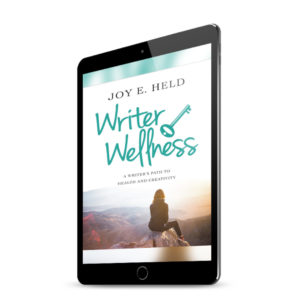
Writer Wellness EBOOK
Disclaimers
This article may contain affiliate links which may result in the author receiving a commission when readers purchase items through the links.
You are receiving this message because you previously signed up for notifications or participated in a program/course with Joy. You may unsubscribe at any time.
My ideas are not ever meant as a substitute for consulting with a qualified health professional.
It’s time to unwrap and take a look at the “My Writing Coach” box for May/June My WriteDay subscribers!
What writer hasn’t dreamed of having a solid writing coach at arm’s length with a good pair of editing eyes and a cache of great ideas to help create and polish a piece of writing? Yes, we writers must work in solitude for the sake of focus and authenticity, but all of our writing eventually needs another perspective to offer constructive suggestions to improve the final product. I hope “My Writing Coach” offers this to you.
Let’s look at it all.
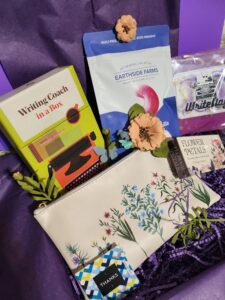
1. Writing Coach in a Box caught my eye during an inventory shopping session and made me chuckle at first because, like I noted, I would love to have a decent writing instructor and proofreader handy all of the time. I just never thought of keeping them tucked away in a box until I need them. Well, the writing craft “book” is this set of inspiring and practical writing tips from “author, publisher, and writing guru” Alan Anderson. The cards are worthy of spending random time to read through, pick one for a journaling session, sharing at writer’s critique sessions, and providing sound reminders of what it takes to write anything!
2. Flower Petals, Blossoming Guidance from the Garden is part of the flower theme for this box. Each card is beautifully illustrated and includes ideas for journaling prompts. The language of flowers is a real concept developed during the Victorian era as the study of botany flourished. From everyday household suggestions to hidden meanings of different blooms, these cards are a contemporary take on this idea. Use them to inspire journal entries, blog posts, or tuck them into the celebration cards you mail to friends and loved ones.
3. Blueberry Vanilla Cashews from Earthside Farms in New York will win over anyone who already loves to snack on nuts and those who have previously turned up their noses at this healthy treat. Earthside calls their line of products “snacking reimagined” which grabbed my attention because all writers are regularly in need of ideas and healthful snacks. I keep a bag on my desk for those moments when I need a munchie but don’t want to walk away from the work-in-progress. I would love to know what you think of these delightful treats.
4. Flowered Pencil Pouch (or make-up, markers, etc.) holder. Keeping with the theme of flowers, I’ve packed this pretty pencil pouch with bookmarks and office supplies.
5. There are reading andwriting stickers, a Thoughtfull pop-out journal prompt, and promotional bookmarks from some my author friends.
Also, I am experimenting with wrapping the boxes for a couple of reasons.
1)boxes were getting beat up during shipping
2)wrapping reduces the amount of tape and stickers on the boxes themselves
3)subscribers have told me that they keep and repurpose MWD purple boxes and would like for them to be in better shape after shipping
If you’re a current subscriber, what did you think of the wrapping paper? Better, worse, no opinion? I’d love to know.
Want to be a My WriteDay subscriber? Easy. Click here
My WriteDay Subscription Box
Next, I would love for you to follow My WriteDay on social media if you’re interested.
Why Writers Should Explore Other Creative Practices
It isn’t easy to create day after day despite what famous authors say about their work and schedules. Yes, you can develop a creativity habit as well a creativity mindset with a plan and practice. Sticking to the plan and practice is exactly how to set your creativity on “cruise control” but be aware that once this habit is learned, your brain will forever be an idea machine. With a plan and practice, everything you think, see, hear, and experience becomes fodder for your creativity. So, if you’re not interested in looking at a random playing card of the Queen of Hearts laying in the street while taking your morning stroll, don’t put this strategy into place. Once learned, it’s difficult to turn off, but then again, what’s an artist without ideas?
I actually came across that playing card while on a walk, and it was face-up in the street in front of a local saloon with a colorful history. At first, I went by until my brain quickly made the connection between the card, the bar, and the fact that I’m a romance author. I back tracked, picked up the card, and contrived a story in my head the rest of the way home. That’s what creative people do, but because I’ve always been this way, I didn’t think about how to coach others to be idea machines until I started homeschooling my daughters many years ago. Let me insert some context.
Creative inclinations are natural and instinctive to the human species or we wouldn’t be where we are today—for better or for worse. The development of survival and technological skills stems from 1) the need to survive and 2) the impulse to be more. My daughters are the blessings of two people trained from early ages in music, theatre, and dance. Both of my parents were artistically inclined as my father was a musician and my mother was a ballet teacher, each who had “day jobs” to support their artistic endeavors. Being from a small town, a small state, and choosing not to move away meant that it was challenging for my dad to make a living as a piano player. So he worked as a contractor. I made the same choice and my children inherited the “creative gene” so when it came time for formal education, I chose creative, engaging ways to teach language arts, math, social studies, and science. For example, I called chemistry “Potions Class” and framed the activities around the “science” lessons of Harry Potter. Because of this “creative heritage,” it was easy and fun for me and the girls.
I believe creativity is a natural instinct, but it also must be encouraged and practiced in order for it to stick. While there is a certain degree of natural creativity, it can definitely be a learned skill. At just about any age. As I noted, once creativity is practiced regularly, it becomes part of your everyday life. However, as I also mentioned, it’s strenuous to create day in and day out in the same field as writing or any artistic mode. Burnout, writer’s block, and imposter syndrome are the direct result of not exploring other creative outlets in my opinion. Playing around in other disciplines helps writers avoid these troubles.
Writers should dabble in other forms of artistic expression for four reasons:
Training the creative mind (creativity on “cruise control”)
Relaxation (creating in another art form can be relaxing)
Recognizing that the “creative process” is universal (all art follows certain procedural steps)
Appreciating other artists (discovering a commonality with other artists/art forms)
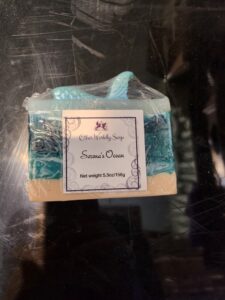
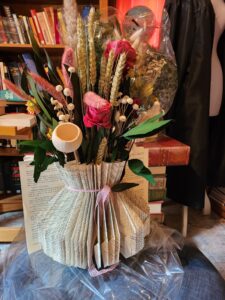
I do this myself by dabbling in junk journaling and book folding art. I support other writers who do this by purchasing their products like soap and candles for My WriteDay subscription box. With a plan and practice, you can set your creativity on cruise control or autopilot* and go along for the ride. This article “Creativity on Autopilot” explains the principles of planning and practice.
Regardless of your primary art discipline, do you dabble in other art forms? How does it support you? If you came across the Queen of Hearts laying in the street outside a bar, what would your creative brain think?
You are receiving this message because you previously signed up for notifications or participated in a program/course with Joy. You may unsubscribe at any time.
This article may contain affiliate links which may result in the author receiving a commission when readers purchase items through the links.
My ideas are not ever meant as a substitute for consulting with a qualified health professional.
Advertisement
Perfect Strangers by Barbara Jean MillerBuy me a coffee
*Fun Fact* Autopilot was patented by American inventor George De Beeson in the 1930s. During World War II, the slang for using it was, “George is flying the plane now” which is rumored to be a reference to King George VI who technically owned the plane or it might be a nod to the inventor. https://en.wikipedia.org/wiki/Autopilot
No, we are not boiling writers in a soup pot today. We are looking at how eating right can improve more than one aspect of writing. These include brain health so you can think better and energy levels so you feel like writing.
Disclaimer: I am not a certified nutritionist or health care practitioner. I have consulted with such and done personal research to learn what works for me in the way of what to eat so I have the brain cells to think and generate ideas, the energy to show up and write, and the general wellbeing that supports me creatively. I am sharing my ideas and practices in an effort to encourage others to get the assistance they need to make good nutritional choices.
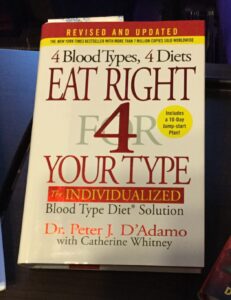
The food program known as “the blood type diet” has served as my foundation for what to eat since 1998. Eat Right for/4 Your Type by Dr. Peter J. D’Adamo with Catherine Whitney answered many of my questions about why certain foods and I didn’t get along. The general principle is that each blood type has a list of foods that are more helpful than others and by avoiding the harmful foods, the body stands a better chance of thriving. I highly recommend checking out the system.
As writers, we need the whole body to be in good working order because we need brain power to think, physical stamina to endure hours of sitting, and emotional stability to deal with the publishing industry. It’s a rough profession in some regards even though we can have a lengthy career if our bodies are healthy.
BRAIN FOOD
I’m simplifying things in the interest of expediency. The brain needs high levels of protein and healthy, plant-based fats to function. You can make soups with good broth bases such as tomato, vegetable, and low sodium animal proteins. If you want a creamy option, choose plant-derived ones like coconut or almond milk. Likewise, plant-derived oils like olive, avocado, and coconut are better for brain function.
Next, choose ingredients such as beans, vegetables, and leafy greens (kale, spinach, broccoli, cabbage) which are also heart healthy and add taste, texture, vitamins, minerals, and antioxidants to your diet.
Your brain needs a lot of protein. Lean meats like beef and chicken are ideal but go outside the kitchen box and try turkey, lamb, and fish for a change of pace. Since chicken is an avoid food in our family, I make every type of traditional chicken soups with lean, antibiotic free turkey instead.
Grains and flours are called for in many soup recipes. Checking my blood type, which is O, I cannot eat wheat, corn, or barley. No worries. I thicken our creamy soups with spelt flour and use spelt noodles instead of wheat. Tastes great!
Finally, soup needs herbs and spices for flavor and balance. Light amounts of salt is a given, but black pepper doesn’t agree with my blood type. A pinch of cayenne or red pepper flakes adds the perfect zing to my soups.
Here is one of my favorite soup recipes for healthy brains.
Spicy Roasted Butternut Squash and Sweet Potato Soup
Ingredients
1 medium butternut squash
2 medium sweet potatoes
3 heaping teaspoons minced garlic
4 cups of low sodium turkey broth
2 cups of almond or coconut milk
½ cup diced celery
½ cup diced white or yellow onion
2 tablespoons extra virgin olive oil
½ teaspoon pink salt
¾ teaspoon oregano
¾ teaspoon marjoram
1 teaspoon ground cumin
¼ or ½ teaspoon cayenne pepper
½ teaspoon red pepper flakes
1 cup of sour cream
Chopped parsley or cilantro
Chopped green onion
Instructions
Preheat the oven to 400 degrees.
Peel and dice the butternut squash and sweet potatoes. Smaller chunks bake faster.
Place the squash, sweet potatoes, garlic, celery, and onion in a large mixing bowl. Drizzle liberally with olive oil. Stir then add salt, oregano, marjoram, cumin, cayenne pepper, and red pepper flakes and stir, coating the vegetables thoroughly with oil and spices. Allow to marinate for five minutes.
Cover a large baking sheet with parchment paper and swirl olive oil in the center. Pour the marinated vegetables onto the parchment paper and spread evenly.
Bake at 400 degrees for 40-45 minutes (or less if the pieces are small). Check that the squash and potatoes are very soft before taking out of the oven.
In a large soup pot, heat a little more olive oil over medium heat. Add the roasted vegetables. Stir to heat evenly then remove from the stove.
Cool the vegetables slightly then puree in a blender, food processor, or with a handheld immersion blender by adding ¾ cups of turkey broth and two cups of roasted veggies in batches until all is smooth. Return to the original soup pot.
Allow puree to heat but not boil adding any remaining turkey broth. Add additional spices to taste. We like this soup spicy, so I’m always upping the herbs and spices.
Temper two cups of almond or coconut milk by adding ½ cup of hot puree to the milk to warm it and avoid curdling when you add it slowly to the pot. Stir the milk in thoroughly.
Temper the sour cream the same way and slowly add to the soup mixture. Allow to simmer gently.
Garnish with chopped parsley or cilantro and green onion.
Six servings.
I know I promised stew, so stew on this. Think of the food you eat as if it were a story or article you’re writing. Prepare your meals and snacks with good ingredients the same way you search for good ideas to write about. Your food program should have purpose and meaning like the stories you tell. Outline your food choices and eating habits in advance the same way you organize a piece of writing—both need a beginning, middle, and end. Preparation and planning always make for better writing and eating.
No boiling writers allowed.
What is your favorite snack for brain health and support?
Up next: Your Creativity on Auto Pilot
Be well, write well!
~Joy
Connect with me on Facebook, Twitter/X, and Instagram.
This article may contain affiliate links which may result in the author receiving a commission when readers purchase items through the links.
You are receiving this message because you previously signed up for notifications or participated in a program/course with Joy. You may unsubscribe at any time.
My ideas are not ever meant as a substitute for consulting with a qualified health professional.
Advertisement
My WriteDay Subscription Box
My WriteDay Subscription Box for writers is open for new subscribers. Join today to receive the May/June box “My Writing Coach” full of writerly goodies and healthy support for your creativity.
Buy me a coffee
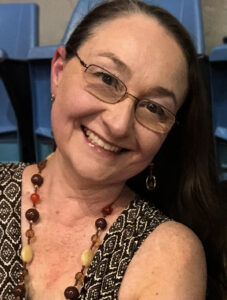
JOY E. HELD is an author, educator, editor, entrepreneur, and literary citizen responsible for this site and its contents. She is the author of
Writer Wellness: A Writer’s Path to Health and Creativity (Headline Books, Inc., 2020)
Writer Wellness Workbook: A Guided Workbook and Journal to Accompany Writer Wellness: A Writer’s Path to Health and Creativity (Headline Books, Inc., 2023)
The Mermaid Riot (Fire and Ice YA, 2024) Young Adult Historical Fantasy
She writes spicy historical fiction under a pen name.
She is the winner of multiple writing and book awards:
West Virginia Writers, Inc. Annual Writing Contest, Honorable Mention, Novel, 1998.
New York Book Festival, Honorable Mention, Writer Wellness, 2020.
Next Generation Indie Book Awards, Finalist, Writer Wellness, 2021.
Northeast Ohio Romance Writers of America, Member of the Year, 2020.
Northeast Ohio Romance Writers of America, First Book Award, 2020.
She is an adjunct faculty member in the Southern New Hampshire University Online MFA Creative Writing.
She is a proud graduate of Seton Hill University in Greensburg, PA with an MFA in Writing Popular Fiction.
She is a member of The Authors Guild and the Society of Children’s Book Writers and Illustrators.
Joy is the founder and CEO of My WRITEDAY Subscription Box for writers and readers.
A researcher named Hans Selye began ground-breaking studies in the 1930’s on stress. Since then, we’ve been educated on the detrimental effects of stress on our mind-body-spirit system. Stress is bad has and is the message, but Selye was among the first to define eustress or conditions that are productive and healthy for the body. Distress=negative situations. Eustress=positive impacts. Like the feeling of euphoria, eustress represents life events such as achieving a goal, going on vacation, getting a good evaluation, or doing something you enjoy. Stress is unavoidable and always has been. From the first time a saber-toothed tiger chased a primitive hunter out of the forest, stress has and will continue to be a part of the life and development of humankind. And writers. I could end it here by saying, “Just deal with it,” but that wouldn’t be helpful. What I am going to suggest is reframing your relationship with (di)stress to achieve a balanced acceptance of it in your life and work as a writer.
TIME CANNOT BE MANAGED
One of the biggest lessons I have learned from 50 years of practicing yoga and meditation is that time cannot be managed. It can only be accepted. Not changed, reversed, challenged, or revisited. Time is in control, and it is life altering to accept that and not constantly be at war with it. I learned this from the simple practice of counting my breaths and noticing how Time became not the enemy or friend but my steady companion. Time is the constant. We are not. Even though Time is a man-made concept, I believe that it is the source of much of our (di)stress. Reframing my perception of Time as simply a construct rather than a master was very relaxing. This is what I mean by revising your impression of stress to something more positive.
STRESS CANNOT BE MANAGED
Time cannot be managed regardless of how happy your planner or appointment app may be. It will march forward with or without you and not be impressed by whether you keep up or not. So why let it manage YOU? I believe the same about managing stress. It is a fact of life and cannot be “managed” any easier than time can be. Both concepts can be ORGANIZED but not managed. Imagine the faces on my students the first day of the “Stress Management” college course I taught for years when I explained my perspective on time and stress. Neither is manageable but you can rethink your view and achieve understanding, balance, and relief by accepting this and learning to COPE.
“EUSTRESS TOOL KIT”
1.The first step is acknowledging your place in the hierarchy of stress and time. You are not in control but that doesn’t mean you can’t play well with them.
2.The second step is creating a list of what you already know helps you relax. From the simple to the complicated and the mundane, making a list of what you find relaxing provides you with a tool kit for accepting what you can’t change and believing that life will be okay. This is your “Eustress Tool Kit.”
3.Third step is practicing the actions on your personal relaxation list on a daily basis. At least one relaxing activity per day will help you achieve balance and develop the understanding that you can handle almost anything because you know that stressful situations happen and that you have a set of tools to help you cope.
My “Eustress Tool Kit” list includes:
Walking
Yoga
Counting breaths
Gardening
Meditation
Reading
Water
Journaling
Butterflies
A day without appointments
Purple things
Colored markers
Helping people
Learning something new
The sound of my grandson’s voice
Blank paper
Not burning what I’m cooking or baking
Laughing
Thinking
Sharing
What’s in your “Eustress Tool Kit” that you can pull out once or twice a day to cope with stress instead of fighting with it?
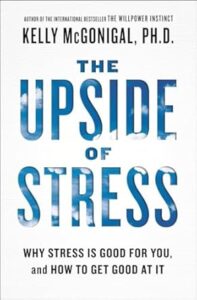
If you want to look deeper at this idea, I highly recommend reading The Upside of Stress, Why Stress is Good for You, and How to Get Good at It by Kelly McGonigal (Penguin Random House, 2015).
Up Next: Eat Right to Write Right
Sign up for my weekly e-newsletter by filling out the form below. Thanks in advance!
Be well, write well.
~Joy
This article may contain affiliate links which may result in the author receiving a commission when readers purchase items through the links.
MY WRITEDAY SUBSCRIPTION BOX CART OPENS MONDAY, MAY 5. Don’t miss out on this fun box of writerly goodness lovingly called by one subscriber “A treasure trove for writers.” The May/June box is called “My Writing Coach.”
REGULAR EXERCISE IS THE EQUIVALENT OF “MIRACLE GRO” ™ FOR YOUR BRAIN
19 April 2025
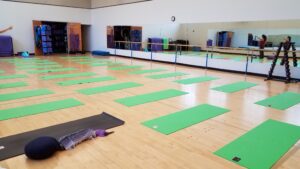
Exercise. We either love it or hate it, but we all know that some form of physical activity on a daily basis is part of a healthy routine and promises a balanced lifestyle, reduced stress levels, and longevity. Sometimes it can be a challenge to workout because life and schedules get in the way. Regular exercise doesn’t have to be time consuming or exhausting. Working in short bursts of movement throughout the day is better than nothing at all. On days when you have more time, exert more effort to exercise in concentrated amounts of time. Consider this sample exercise schedule for busy people.
1.Plan to exercise for 10 minutes three times a day. Choose from these examples,
walk
work with small hand weights
work with a treadmill or other exercise equipment
pedal exerciser (under-desk-bike)
do some stretching
Better yet, be active in a variety of ways throughout the day to keep boredom at bay. Yard work counts!
2.Group exercise classes that are regularly scheduled can be very motivational but are not always practical. Spend a few minutes researching and bookmarking exercise videos on the internet. There are tons for free. Once a week, prioritize time to exercise with a video. If it is more than ten minutes long, that’s okay. Do the first ten minutes only, which should be the warm-up portion, if that’s all you can work into your schedule.
3.While books about exercise don’t offer the benefit of having a knowledgeable instructor nearby to offer tips for safety and modification, they are a great source of information.
4.Put exercise on your list of things to do every week. Just writing it down will remind you to do it and make you feel accomplished when you can check if off the list.
Physical exercise is not just about keeping the body in shape. The mind-body-spirit connection is a real thing and has been proven by studies to deliver overall health benefits.
In his book Spark: The Revolutionary New Science of Exercise and the Brain, Dr. John J. Ratey offers amazing details about how exercise supports thinking while keeping the physical container in working order. For the sake of simplicity and understanding, Ratey reported that the discovery of a protein factor found in the brain called brain-derived neurotrophic factor (BDNF) is responsible for the growth of new cells, especially those required for learning. BDNF is manufactured in the brain only. There is no pill form of it. What stimulates the production and hence the new brain cells is the connection between the protein and physical activity. Exercise propels BDNF for what Ratey calls “Miracle-Gro for the brain” (40). Studies since Ratey’s report have expanded on this principle and evidence proves that exercise strengthens not only our physical bodies but also develops our brains. Throughout the life span.
Here are a couple of questions about your physical fitness program if you care to post a comment!
Exercise question #1: Describe your current exercise routine explaining what you do and how often.
Exercise question #2: Are you satisfied with your current exercise routine? Why or why not?
Up Next: Quick and easy relaxation techniques.
Sign up for my weekly e-newsletter by filling out the form below. Thanks in advance!
Be well, write well.
~Joy
MY WRITEDAY SUBSCRIPTION BOX CART OPENS MONDAY, MAY 5. Don’t miss out on this fun box of writerly goodness lovingly called by one subscriber “A treasure trove for writers.” The May/June box is called “My Writing Coach.”
“Miracle-Gro” ™ is a registered trademark of OMS Investments, Inc.
Work Cited
Ratey, John J., M.D. Spark: The Revolutionary New Science of Exercise and the Brain. Little, Brown, and Company, 2008.
This article may contain affiliate links which may result in the author receiving a commission when readers purchase items through the links.
You are receiving this message because you previously signed up for notifications or participated in a program/course with Joy. You may unsubscribe at any time.
Advertisement
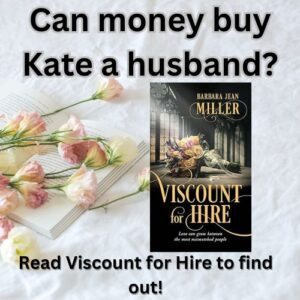
The wealthy Kate Hamilton must marry the wounded viscount she is sheltering in her London townhouse since saving his life has ruined her. But he is a perfect candidate since he needs to marry well. When he seems reluctant, Kate proposes hiring him as her husband to disguise her love for him.
Hugh Bartram, Viscount of Dancy, has never met anyone like levelheaded Kate, thrusting herself into a scandal to save his sister from gossip. He resents Kate trying to solve everything with money, even as he admits her heart is in the right place.
Just as they wed, his sister elopes, and Dancy is captivated by the unconventional Kate as they ride across England together to prevent another scandal.
Buy me a coffee:)
JOY E. HELD is an author, educator, editor, entrepreneur, and literary citizen responsible for this site and its contents. She is the author of
Writer Wellness: A Writer’s Path to Health and Creativity (Headline Books, Inc., 2020)
Writer Wellness Workbook: A Guided Workbook and Journal to Accompany Writer Wellness: A Writer’s Path to Health and Creativity (Headline Books, Inc., 2023)
The Mermaid Riot (Fire and Ice YA, 2024) Young Adult Historical Fantasy
She writes spicy historical fiction under a pen name.
She is the winner of multiple writing and book awards:
West Virginia Writers, Inc. Annual Writing Contest, Honorable Mention, Novel, 1998.
New York Book Festival, Honorable Mention, Writer Wellness, 2020.
Next Generation Indie Book Awards, Finalist, Writer Wellness, 2021.
Northeast Ohio Romance Writers of America, Member of the Year, 2020.
Northeast Ohio Romance Writers of America, First Book Award, 2020.
She is an adjunct faculty member in the Southern New Hampshire University Online MFA Creative Writing.
She is a proud graduate of Seton Hill University in Greensburg, PA with an MFA in Writing Popular Fiction.
She is a member of The Authors Guild and the Society of Children’s Book Writers and Illustrators.
Joy is the founder and CEO of My WRITEDAY Subscription Box for writers and readers.
To refresh your memory, my author platform for over 30 years has been the health and well-being of creative people, especially writers. Writer Wellness: A Writer’s Path to Health and Creativity was my first published book in 2003 after several years of presenting workshops on the topic. The book is in its third edition and with a third publisher because the previous hosts closed up shop. Publishing is a chaotic business and not for the faint of heart or the impatient. Writer wellness is a way to embrace and thrive within the chaos.
The five key concepts of writer wellness are journaling, exercise, relaxation, nutrition, and creative play. As publishing and authoring evolve, I like to regularly remind creatives to follow good self-care practices in order to support their work and health. This post includes tips for journaling.
JOURNALING
Everyone goes through a journaling slump. Regardless of dedication to the practice, it can become stale or mundane. It happens. Don’t take it as a sign of time to stop. A journaling slump is time to explore the page beyond the norms. Instead of documenting the events of the day, write the list in your journal and title it “Today’s Goals” then check everything off with an X or a check mark. This is a positive way to look at a repeat practice.
Another helpful activity is to change up the place where you journal. I regularly like to go to a coffee shop or the library to journal to shake up my surroundings and what I journal about. One thing I do is LEAVE MY JOURNAL AT HOME and take blank paper to the new spot. I do this because I don’t want my regular journal to be misplaced. Once I’m home, I staple, glue, or enclose the pages in a cellophane envelope and add stickers then attach the whole thing to a page in the regular journal.
“Journal-to-Go-Bag” is a must and makes journaling in a new place easy. Fill a tote with the essentials such as blank paper or a notebook, pens, and markers and keep it always ready to go. I also include a roll or two of washi tape in case I find ephemera or interesting things at the location to add to my pages.
Up Next: Taking care of your physical body with regular exercise keeps your brain in shape too!
Sign up for my weekly e-newsletter by filling out the form HERE. Or scroll to the bottom of this page! Thanks in advance!
MY WRITEDAY SUBSCRIPTION BOX CART OPENS MONDAY, MAY 5. Don’t miss out on this fun box of writerly goodness lovingly called by one subscriber “A treasure trove for writers.” The May/June box is called “The Writing Coach.”
Advertisement
The wealthy Kate Hamilton must marry the wounded viscount she is sheltering in her London townhouse since saving his life has ruined her. But he is a perfect candidate since he needs to marry well. When he seems reluctant, Kate proposes hiring him as her husband to disguise her love for him.
Hugh Bartram, Viscount of Dancy, has never met anyone like levelheaded Kate, thrusting herself into a scandal to save his sister from gossip. He resents Kate trying to solve everything with money, even as he admits her heart is in the right place.
Just as they wed, his sister elopes, and Dancy is captivated by the unconventional Kate as they ride across England together to prevent another scandal.
This article may contain affiliate links which may result in the author receiving a commission when readers purchase items through the links.
You are receiving this message because you previously signed up for notifications or participated in a program/course with Joy. You may unsubscribe at any time.
JOY E. HELD is an author, educator, editor, entrepreneur, and literary citizen responsible for this site and its contents. She is the author of
Writer Wellness: A Writer’s Path to Health and Creativity (Headline Books, Inc., 2020)
Writer Wellness Workbook: A Guided Workbook and Journal to Accompany Writer Wellness: A Writer’s Path to Health and Creativity (Headline Books, Inc., 2023)
The Mermaid Riot (Fire and Ice YA, 2024) Young Adult Historical Fantasy
She writes spicy historical fiction under a pen name.
She is the winner of multiple writing and book awards:
West Virginia Writers, Inc. Annual Writing Contest, Honorable Mention, Novel, 1998.
New York Book Festival, Honorable Mention, Writer Wellness, 2020.
Next Generation Indie Book Awards, Finalist, Writer Wellness, 2021.
Northeast Ohio Romance Writers of America, Member of the Year, 2020.
Northeast Ohio Romance Writers of America, First Book Award, 2020.
She is an adjunct faculty member in the Southern New Hampshire University Online MFA Creative Writing.
She is a proud graduate of Seton Hill University in Greensburg, PA with an MFA in Writing Popular Fiction.
She is a member of The Authors Guild and the Society of Children’s Book Writers and Illustrators.
Joy is the founder and CEO of My WRITEDAY Subscription Box for writers and readers.






 Sue Grafton